 Blogs
Blogs

The psychological impact of gambling how it shapes behavior and decision-making
The psychological impact of gambling is profound, often leading to addictive behaviors that significantly alter a person’s decision-making processes. Gambling addiction, also known as compulsive gambling, is characterized by an uncontrollable urge to gamble despite the negative consequences. This compulsion can lead individuals to chase losses, thereby exacerbating their financial and emotional distress. For many, exploring online casinos may enhance the thrill associated with gambling, creating a cycle where the brain begins to crave the excitement, reinforcing the addictive behavior.
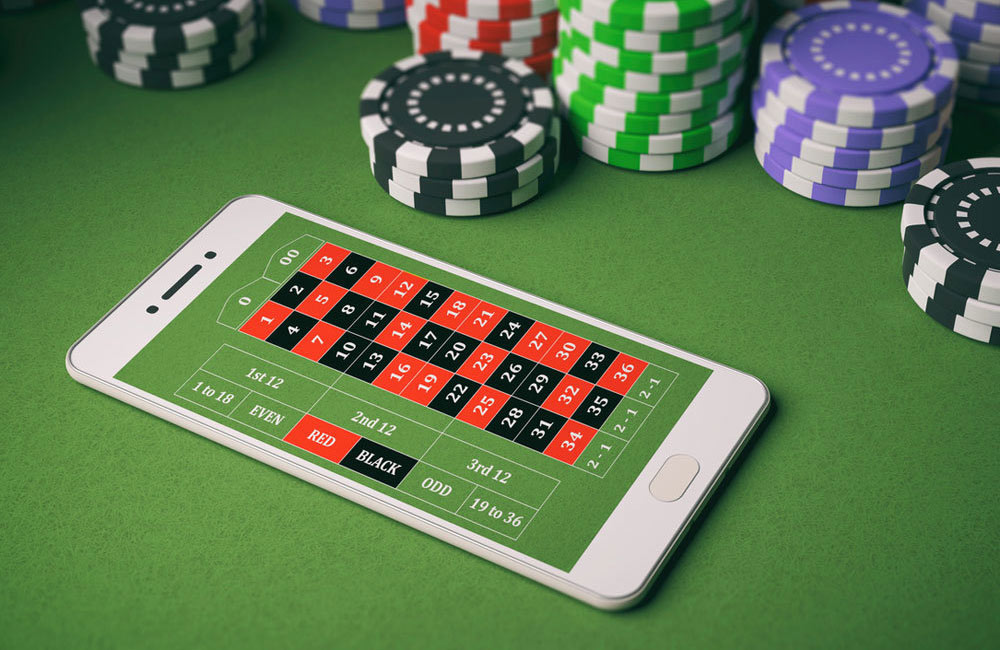
This addiction is not merely a result of poor decision-making but is deeply rooted in psychological factors. Individuals may gamble to escape stress, depression, or anxiety, leading to a detrimental cycle where gambling becomes a coping mechanism. As individuals become increasingly immersed in gambling, their ability to make rational decisions diminishes, often resulting in severe life consequences.
Cognitive dissonance plays a significant role in how gambling shapes behavior and decision-making. Gamblers often experience conflicting emotions—knowing that their behavior is harmful yet rationalizing it as harmless fun. This internal conflict can lead to distorted thinking patterns, where gamblers may believe they can predict or control outcomes despite overwhelming evidence to the contrary.
As gamblers continue to indulge in this irrational thinking, their decision-making becomes increasingly compromised. They may neglect responsibilities or relationships, prioritizing gambling over more important aspects of life. This dissonance can create a feedback loop that strengthens the gambling habit, making it even harder to break free from its grip.
The emotional toll of gambling is profound and multifaceted. Many gamblers experience feelings of shame, guilt, and isolation, which can further fuel their addiction. The highs and lows of gambling can lead to intense emotional rollercoasters, making it challenging for individuals to maintain stable relationships or a balanced life. The emotional strain can impact mental health, leading to anxiety disorders, depression, and even suicidal thoughts.
Moreover, the social stigma associated with gambling addiction can compound feelings of loneliness. Many individuals feel they cannot share their struggles with friends or family, exacerbating their emotional distress. This isolation can lead to a reliance on gambling as a primary source of relief, creating an even more challenging situation for recovery.
The impact of gambling on decision-making processes is particularly evident in impulsive behaviors. Gamblers often make quick, emotionally charged decisions rather than rational ones, leading to further financial and emotional consequences. The desire for immediate gratification can overshadow long-term goals, making it difficult for individuals to make choices that benefit their future.
Additionally, the environment in which gambling takes place can further influence decision-making. The use of bright lights, sounds, and enticing visuals in casinos creates a stimulating atmosphere that can impair judgment. Gamblers may overlook the risks involved and focus solely on the potential rewards, leading to reckless behavior that can have devastating effects on their lives.

Recognizing the psychological impact of gambling is the first step toward effective intervention and support. Understanding the nuances of addiction and its effect on behavior can help individuals, families, and professionals develop more compassionate and effective strategies for recovery. Awareness campaigns and educational programs can play a crucial role in destigmatizing gambling addiction and encouraging those affected to seek help.
Support networks, including counseling and therapy, are essential in addressing the psychological aspects of gambling addiction. These resources can help individuals confront their behaviors, understand their emotional triggers, and develop healthier coping strategies. By fostering a supportive community, those affected by gambling can find paths to recovery and regain control over their decision-making processes.